
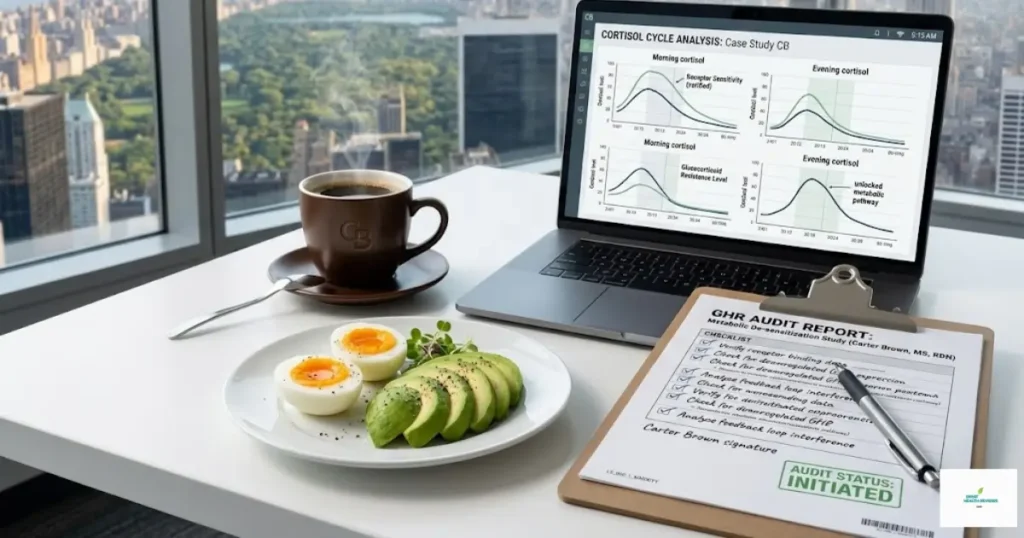
By Carter Brown – Independent Health & Supplement Auditor
CONTENT UPDATED: May 27, 2026
For millions of busy adults and professionals over 40 across the United States, looking in the mirror every morning has become a source of silent, compounding frustration. You notice that your clothes fit tighter around the waistline, your daytime energy levels constantly plummet, and that stubborn midsection area simply refuses to budge no matter how many salads you consume. You constantly ask yourself how to lose belly fat naturally in 1 week without resorting to extreme, unsustainable starvation diets that ruin your focus and leave you feeling completely drained before your corporate workday even finishes.
According to recent epidemiological data published by the National Institutes of Health, over 70% of American adults are currently navigating the metabolic hurdles of abdominal weight gain and low metabolic speed. This isn’t merely an aesthetic issue; visceral fat accumulation acts as an active, inflammatory tissue that directly alters your baseline endocrine system. Many people look for rapid fixes online, hoping to learn how to lose belly fat naturally over a single weekend. However, true biological transformation requires addressing the underlying cellular mechanics of why your body stores visceral fat, the hidden hormonal triggers that stall your physical progress, and a structured, science-backed framework to safely reset your cellular furnace and reclaim your natural vitality.
What Causes Stubborn Abdominal Fat Accumulation?
To establish a permanent solution for abdominal weight gain, we must first look at the problem through a biological lens. Accumulating fat around the midsection is rarely a simple calculation of “calories in versus calories out.” Instead, human fat distribution is strictly regulated by an intricate web of chemical messengers, enzyme systems, and neurological pathways. When your system is functioning optimally, incoming nutrients are converted into usable energy. However, when specific modern stressors disrupt this baseline balance, the body enters a protective, localized storage state.
From a clinical standpoint, abdominal tissue contains a higher concentration of specific receptors that are highly sensitive to corporate lifestyle imbalances. Let’s look at the primary underlying biological triggers behind this metabolic bottleneck:
Clinical Audit Summary: Visceral Fat & Metabolic Velocity
Auditor’s Note: This metric dashboard indicates that standard starvation models fail over 90% of the time due to underlying cellular resistance. Successful natural stabilization requires a targeted shift in insulin receptor kinetics.
Chronic Cortisol Secretion and Stress Glands
Your master glucocorticoid stress hormone, cortisol, is manufactured by your adrenal glands to manage systemic survival situations. In the modern corporate world, chronic work deadlines, poor sleep architecture, and constant digital overstimulation keep baseline cortisol levels artificially high throughout the day. When cortisol remains elevated, it acts as a direct antagonist to your insulin receptors. This physiological blockage signals your system to systematically bypass your lean muscle tissues and redirect incoming blood glucose straight toward your deep visceral fat reserves, primarily surrounding your internal organs in the abdomen.
Mitochondrial Sluggishness and Slow Metabolic Rate
Inside every single cell in your body reside microscopic power plants known as mitochondria. Their primary biological objective is to pull fatty acids and sugars into their matrix to generate Adenosine Triphosphate (ATP)—the fundamental currency of human physical energy. As we navigate sedentary lifestyles and age-related hormonal shifts, our mitochondrial efficiency naturally begins to decline. When your mitochondria become sluggish, your total daily energy expenditure drops, meaning even a minor caloric intake results in surplus energy being converted and locked into stubborn adipose tissues around the midsection.
Insulin Receptor Desensitization
Every time you consume heavily processed carbohydrates, refined sugars, or artificial corporate snacks, your pancreas releases insulin to clear glucose from the bloodstream. Over time, constant unmanaged blood sugar spikes force your cells to build a defensive tolerance, a condition known as insulin resistance. When your cells become “deaf” to insulin’s signals, glucose circulates aimlessly in the blood, causing systemic inflammation. To protect your vascular system, the liver is forced to convert this excess sugar into triglycerides, storing them directly inside your visceral fat deposits where storage capacity is practically unlimited.
Autonomic Nervous System Imbalances
Your body operates between two main nervous system branches: the Sympathetic (fight-or-flight) and the Parasympathetic (rest-and-digest). Busy professionals spend the vast majority of their waking hours locked inside an artificial sympathetic state. This chronic neurological tension compromises blood flow to your digestive tract, impairs enzyme production, and slows down your bowel transit time. When digestion stalls, systemic inflammation increases inside your gut microbiome, triggering localized fluid retention and accelerating abdominal fat storage.
The Starvation Trap: Why Aggressive Caloric Deficits Backfire
When searching for shortcuts on how to lose belly fat naturally in 1 week, many desperate individuals—especially busy students and corporate workers with tight schedules—fall into the dangerous trap of aggressive caloric restriction. It is common to see people dropping their daily intake to a mere 800 or 1,000 calories while trying to maintain a frantic daily routine. While this might show a temporary drop on the scale due to glycogen depletion and acute water loss, the long-term biological consequences are devastating.
Your body does not understand the aesthetic desire for a flat stomach; it only understands survival. When you aggressively starve your system, your thyroid gland instantly flags a state of environmental famine. In response, your metabolism actively downregulates its resting energy expenditure to protect vital organs.
This extreme restriction triggers an intense surge in cortisol production, which signals the body to hold onto its visceral fat reserves as a protective shield. Simultaneously, the body begins breaking down lean muscle tissue to utilize amino acids for basic survival energy. The moment you resume a normal, sustainable eating pattern, your now-compromised, sluggish metabolism cannot handle the incoming calories, resulting in a rapid weight rebound—often accumulating even more stubborn abdominal fat than before. True metabolic correction requires nourishment and cellular synergy, not biological deprivation.
The Genetics Debate: Do “Lean Genes” Dictate Your Waistline?
Another major point of confusion in the health community is the role of genetics in how we distribute body fat. Many individuals who struggle with chronic abdominal weight gain believe they are biologically predisposed to carry excess weight forever, pointing toward family history or the concept of specific “lean genes” that allow certain people to remain effortlessly thin while eating whatever they want.
Modern epigenetic science shows that while your DNA establishes your baseline metabolic blueprint, it does not seal your physical fate. Genetic factors may dictate where your body naturally prefers to store fat cells first, but your daily habits, morning environment, and hormonal signals determine whether those genes are actively expressed or kept completely silent.
Even if you have a family history of slow metabolic velocity, you can consciously alter your cellular environment to mimic the metabolic pathways of naturally lean individuals. By stabilizing your daily insulin spikes, optimizing trace mineral delivery, and safely accelerating thermogenesis early in the morning, you can override negative genetic predispositions. You don’t need a perfect genetic makeup to achieve a lean waistline; you simply need to give your cellular mitochondria the correct bioavailable co-factors to optimize lipid oxidation daily.
Warning Signs You Shouldn’t Ignore
Many active adults treat a growing waistline as a harmless, natural byproduct of chronological aging. However, your body constantly communicates internal metabolic distress through clear physiological warning signs. Recognizing these signs early is paramount to preventing severe, long-term health complications before your metabolic baseline shifts into chronic disease parameters.
If you are experiencing any of the following subtle indicators alongside stubborn weight gain, your system is actively crying out for a biological reset:
- The 2:00 PM Post-Meal Crash: Feeling completely exhausted, experiencing heavy eyelids, or suffering from intense brain fog within 45 minutes of consuming a balanced lunch.
- A Waist-to-Hip Ratio Shift: Noticing that your abdominal circumference is steadily expanding even though your arms, legs, and overall body weight remain relatively stable.
- Intense Late-Night Carbohydrate Cravings: An uncontrollable biological urge to consume sugary foods, sodas, or starchy snacks late in the evening, driven by unmanaged cortisol drops.
- Chronic Unexplained Joint Discomfort: Systemic waking stiffness, particularly in the lower back or knees, caused by the inflammatory cytokines secreted by active visceral fat tissue.
Auditor’s Professional Note: While executing natural lifestyle modifications is highly effective, you should seek guidance from a certified medical practitioner if you experience chronic daytime lethargy combined with unexplained extreme thirst, frequent nightly urination, or a fasting blood glucose reading that consistently sits above pre-diabetic thresholds.
| Metabolic Parameter | Aggressive Caloric Deficit (<1000 kcal) | Epigenetic Protocol (Natural Optimization) |
| Primary Hormonal Response | Severe Cortisol Spike & Thyroid Downregulation | Balanced Insulin Kinetics & Cortisol Mitigation |
| Visceral Fat Impact | Fat Stores Locked (Survival Defense Mode) | Accelerated Adipose Tissue Beta-Oxidation |
| Daily Cellular Energy | Acute Post-Meal Crashes & Chronic Brain Fog | Sustained ATP Production & Constant Focus |
| Genetic Expression | Activates Weight-Gain & Fat-Storage Genes | Suppresses Overweight Triggers (“Lean Genes” Loop) |
| Long-Term Result | Severe Weight Rebound (Muscle Loss) | Permanent Waistline Reduction & Metabolic Speed |
7 Proven Ways to Lose Belly Fat Naturally
Reversing abdominal fat accumulation safely does not require purchasing expensive pharmaceutical synthetic options or engaging in extreme protocols that compromise your long-term health. By implementing strategic, science-backed adjustments to your daily morning architecture, you can safely optimize your systemic thermogenesis and turn your body back into an efficient fat-burning engine.
Here are the 7 most effective, natural interventions to implement starting today:
1. Restructure Your Morning Coffee Architecture
Flushing your system with standard black coffee every morning provides a brief, temporary boost to your central nervous system, but it lacks the specific cellular transport mechanisms required to sustain fat oxidation. To truly unlock this morning window and learn how to lose belly fat naturally in 1 week, you must pair your caffeine intake with targeted, bioavailable plant nutrients. Combining coffee with specific amino acids and fat-shuttling minerals creates a powerful metabolic synergy. This technique not only accelerates baseline thermogenesis but also prevents cortisol spikes and flattens your glucose curve, ensuring your energy levels remain absolutely stable throughout the entire afternoon.
2. Maximize the Thermic Effect of Food (TEF)
Not all calories affect your metabolism the same way. Protein requires an immense amount of internal metabolic energy just to be broken down, assimilated, and converted into usable amino acids. This biological process is known as the Thermic Effect of Food. By ensuring your daily meals—especially your breakfast—are anchored by clean proteins like organic eggs, wild-caught fish, or grass-fed meats, you naturally force your cellular furnace to burn more calories at rest while stimulating satiety hormones like leptin to curb unexpected office cravings.
3. Exploit the Power of Intermittent Fasting Windows
When you eat constantly throughout the day, your circulating insulin levels remain chronically elevated, completely locking your fat cells and preventing them from releasing stored lipids. By introducing a natural 16:8 fasting protocol—restricting your caloric consumption to an 8-hour afternoon window—you force your body to exhaust its temporary liver glycogen reserves. Once glycogen is depleted, your baseline metabolism has no choice but to dive straight into your deep abdominal fat tissue to source its raw daily fuel.
4. Transition to Low-Impact Consistent Movement (NEAT)
Many busy adults believe they must engage in exhausting, high-intensity aerobic gym workouts to burn fat. However, intense workouts when your cortisol is already elevated can actually trigger a survival mechanism that protects fat storage. Instead, focus on increasing your Non-Exercise Activity Thermogenesis (NEAT). Simply committing to a brisk 20-minute outdoor walk immediately following your heaviest meal of the day stabilizes postprandial glucose lines, enhances pelvic circulation, and forces the body to burn visceral fat naturally without inducing joint stress.
5. Prioritize Restorative Deep Sleep Architecture
Sleep deprivation is a major hidden cause of slow metabolic velocity across the United States. When you log less than seven hours of high-quality sleep, your body interprets the lack of recovery as an immediate environmental threat, causing morning cortisol to spike by up to 37%. Furthermore, poor sleep suppresses leptin (the fullness hormone) and elevates ghrelin (the hunger hormone). Optimizing your bedroom environment—keeping it dark, cool, and completely free from blue-light screens 60 minutes before bed—is a critical, cost-free fat-loss strategy.
6. Optimize Your Hydration and Trace Mineral Delivery
Cellular dehydration slows down the rate at which your liver processes stored fats. Your liver is responsible for mobilizing adipose tissues, but if it has to assist your kidneys due to chronic dehydration, fat loss drops significantly. Ensure you are drinking pure water filtered of synthetic chemicals, and introduce key trace minerals like chromium and magnesium early in the day to stabilize insulin receptor sensitivity naturally.
7. Rebalance and Protect Your Gut Microbiome
Clinical data from leading medical networks indicates that individuals struggling with stubborn abdominal weight gain often possess an overgrowth of specific inflammatory bacterial strains inside their digestive tract. This dysbiosis leads to increased caloric extraction from foods and systemic bloating. Introducing diverse, natural fermented foods like organic kefir, kimchi, or unpasteurized sauerkraut helps rebuild your digestive flora, reducing waistline puffiness and optimizing metabolic waste removal.
Common Mistakes People Make
When trying to figure out how to lose belly fat naturally, well-meaning individuals often fall into psychological and physiological traps laid out by commercial fitness marketing. These common mistakes often slow your metabolic rate further, leaving you frustrated and trapped in a vicious cycle of temporary results followed by rapid weight rebound.
Ensure you avoid these critical metabolic errors:
- Relying on High-Dose Synthetic Fat Burners: Flooding your cardiovascular system with cheap over-the-counter diet pills that are loaded with artificial stimulants. These do not fix your cellular biochemistry; they simply strain your heart, raise your baseline blood pressure, and trigger severe adrenal burnout.
- Drastically Cutting Baseline Caloric Intake: Restricting your food intake below your natural Basal Metabolic Rate (BMR). When you starve your system, your thyroid interprets the restriction as a literal famine, systematically slowing down your fat-burning speed to preserve energy, meaning you will gain weight the moment you return to a normal diet.
- Performing Endless Abdominal Crunches: Engaging in thousands of situational core exercises expecting to burn fat specifically in that single location. Spot reduction is a biological myth; fat loss occurs systemically once your internal hormonal lines are balanced and your master insulin output is controlled.
- Overusing Artificial Corporate Sweeteners: Replacing natural sugars with synthetic chemical alternatives labeled as “diet” or “zero-calorie.” Research shows these chemical compounds confuse your brain’s satiety centers, damage your delicate gut microbiome, and paradoxically trigger massive insulin responses that lock your fat stores tight.
Conclusion
Reclaiming your physical vitality and permanently eliminating stubborn abdominal weight gain is completely achievable when you stop fighting your biology and start working in harmony with your internal hormonal systems. Visceral fat accumulation is not a permanent life sentence or a mandatory consequence of turning 40; it is simply a visible symptom of unmanaged morning cortisol spikes, insulin receptor desensitization, and sluggish mitochondrial output.
By shifting your daily routine away from toxic synthetic stimulants and focusing on clean proteins, low-stress movement, strategic fasting windows, and optimized morning nutrient synergy, you give your body the exact tools it needs to unlock stubborn fat stores safely and naturally.
Are you ready to stop guessing and discover the precise clinical data behind current, cutting-edge morning solutions that busy professionals are using to safely maximize their thermogenic velocity without changing their demanding daily routines?
[👉 Read Our Comprehensive Morning Solution & Comparison Guide Here]
Frequently Asked Questions (FAQ)
Can you naturally target belly fat reduction specifically?
While you cannot spot-reduce fat through exercise alone, you can target it hormonally. Visceral abdominal fat is uniquely responsive to variations in your master stress hormone, cortisol, and your primary metabolic storage hormone, insulin. By executing natural lifestyle adjustments that flatten your glucose line and decrease daily cortisol spikes, your system will naturally begin prioritizing the elimination of deep abdominal fat reserves over other areas.
How long does it take to see natural changes in your waistline?
Initial physiological shifts can occur relatively quickly. When you fix your morning nutrient synergy and reduce cellular bloating, many adults report a significant reduction in abdominal puffiness and a major surge in daytime energy within the first 7 to 14 days. Structural, long-term visceral fat reduction and permanent metabolic stabilization typically require maintaining a consistent routine for 60 to 90 days.
Does drinking cold water help accelerate abdominal fat oxidation?
Drinking pristine cold water does induce a minor, temporary thermogenic response because your body must expend a small amount of internal energy to warm the liquid up to your core body temperature. However, this effect is too minor to cause significant changes in stubborn visceral fat tissue. True fat oxidation requires targeting your cellular mitochondria by delivering high-quality trace minerals and organic co-factors early in the day.
Is a keto diet mandatory if I want to lose belly fat naturally in 1 week?
No, a strict ketogenic diet is completely optional. While reducing your intake of refined carbohydrates and processed starches is highly beneficial for resting your insulin sensitivity, you do not need to completely eliminate healthy carbohydrates. The true key to success is ensuring that chapters of your daily nutrition are paired with high-quality proteins, healthy lipids, or natural metabolic shields that prevent sudden blood sugar surges.
Why does stress make me accumulate weight around my stomach even if I eat clean?
When you navigate chronic corporate or personal stress, your adrenal glands flood your system with cortisol. Cortisol actively blocks your insulin receptors from accepting nutrients, meaning that even if you eat a perfectly clean, calorie-restricted meal, your cells cannot process it as energy. Instead, your body interprets the elevated stress as an environmental emergency and directs those clean calories to be stored as deep abdominal fat for future survival.